What should I do immediately after a hailstorm?
Photograph any visible exterior damage right away, check for interior leaks, and schedule a free professional roof inspection before contacting your insurance company — in that order.
Immediately after a hailstorm: take photos of any visible damage to your roof, siding, windows, and vehicles from the ground (don't climb on the roof yourself); check your attic and ceilings for new water stains; and schedule a free professional inspection within the next few days. Only file an insurance claim once you have documentation of real, specific damage.
The local reality in the Texas Panhandle, South Plains, and DFW
Panhandle, South Plains, and North Texas hailstorms often bring a wave of contractors going door to door within hours of the storm passing. That timing pressure is real, but it's also exactly when scam artists are most active — a legitimate, permanent local roofer will still be reachable a week later, which is a useful test in itself.
Sal's experience
Having done storm restoration work across the country before founding the company in Amarillo, Sal has walked this exact sequence with homeowners many times over: document first, inspect professionally, then file — not the other way around.
Real evidence, not a sales pitch
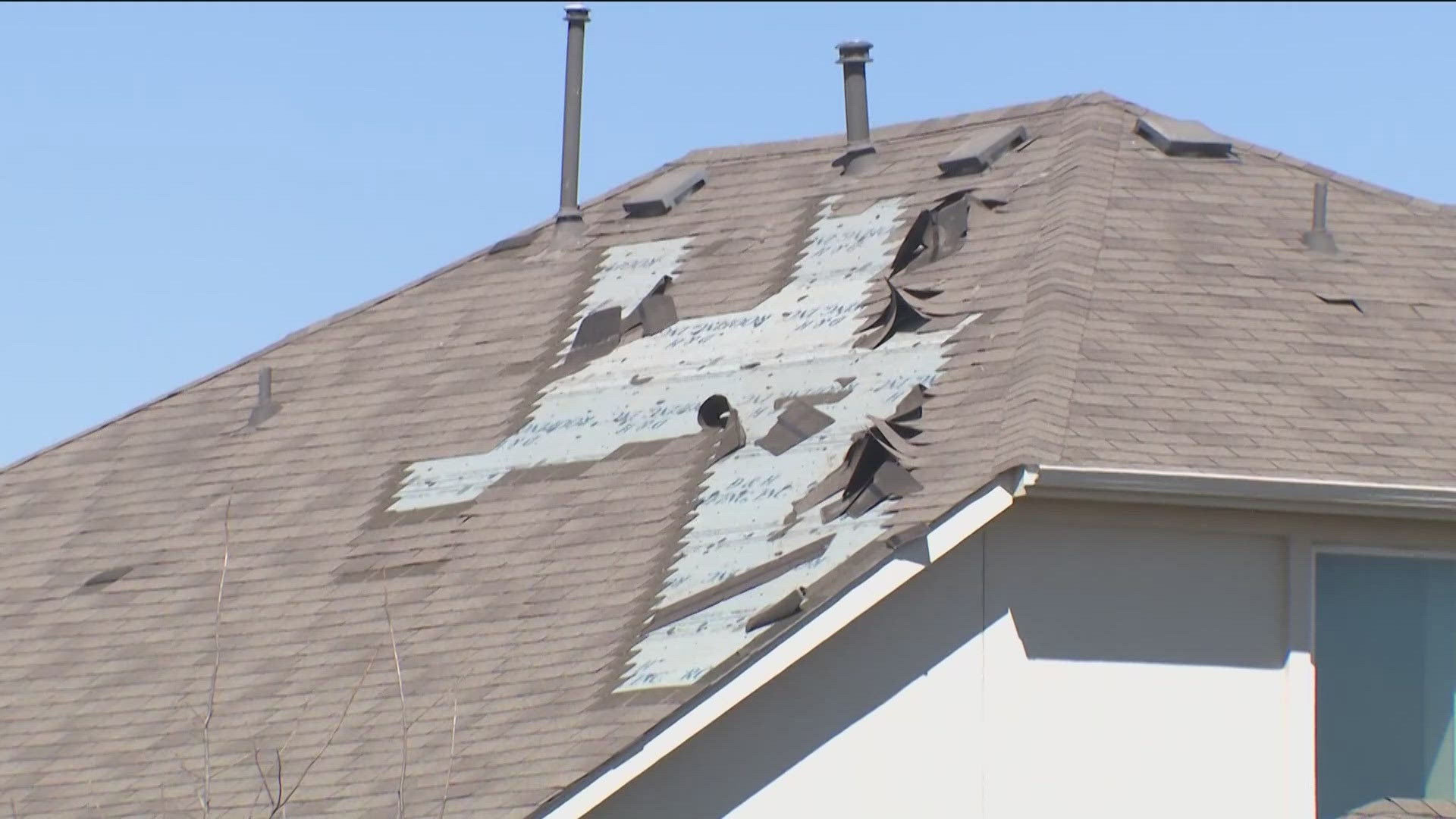
Documented hail damage photographed shortly after a storm — the kind of evidence that supports a clean claim.
Photos taken within days of the actual storm, timestamped and dated, are some of the strongest evidence a homeowner can have if a claim is ever questioned later.
Schedule your free post-storm inspection
See storm damage restoration services — inspections are free and don't require you to have already filed a claim.
Common questions
Should I get on my roof to check for damage myself?
No — climbing on a roof after a storm (or ever, without proper safety equipment) is unnecessary risk. A ground-level photo check plus a professional inspection is the safer approach.
How quickly should I get an inspection after a hailstorm?
As soon as reasonably possible — most insurance policies have a filing deadline, and prompt documentation makes it easier to tie damage to a specific storm date.
What if I don't see any damage at all?
Get an inspection anyway if the hail was significant — a meaningful share of hail damage isn't visible from the ground.