Tile and slate roofing, explained
Tile and slate are premium, long-lifespan roofing materials — tile is typically clay or concrete, slate is either natural stone or a synthetic composite — and both require a structural weight check before installation on an older Panhandle home.
Clay or concrete tile roofing is heavy, extremely durable (often 50+ years), and handles Texas heat well, but requires the roof structure to support significant additional weight. Slate — natural stone or a lighter synthetic composite — offers a similar premium look and lifespan; synthetic slate specifically solves the weight problem while keeping most of the aesthetic and durability benefit. Both cost more upfront than asphalt shingles but last multiple times as long.
The local reality in the Texas Panhandle, South Plains, and DFW
Older Amarillo and Panhandle homes weren't always framed with heavy tile or natural slate in mind, which is why a structural assessment matters before committing to either material — it's a real engineering question, not just an aesthetic choice.
Sal's experience
Sal Morales Roofing installs both tile and slate (including synthetic slate) as part of its specialty roofing lineup, and includes a structural weight assessment as a standard part of the process rather than an upsell — a habit that comes directly from Sal's storm restoration background, where seeing roofs fail under the wrong material is a real, not hypothetical, risk.
Real evidence, not a sales pitch
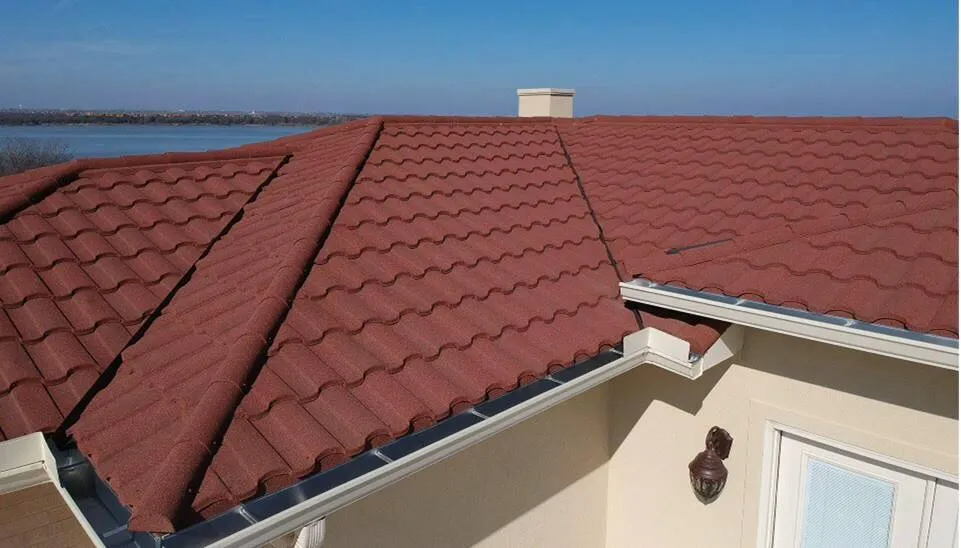
A completed clay tile roof installation.
The photos below are real completed tile and slate installations — the kind of detail work (ridge caps, valley flashing, uniform coursing) that distinguishes a properly installed tile or slate roof from a rushed one.
See if tile or slate fits your home
See specialty roofing, including tile, slate, and DECRA — a free inspection includes a structural assessment.
Common questions
Is synthetic slate as durable as natural slate?
Synthetic slate generally offers a strong lifespan and impact resistance while weighing significantly less than natural stone, making it a practical option for homes that can't support the full weight of natural slate.
Does tile roofing hold up to Panhandle hail?
Clay and concrete tile are generally durable against hail, though individual tiles can crack on direct impact and may need spot replacement rather than full roof replacement.
How much more does tile or slate cost than asphalt?
Both cost meaningfully more upfront than asphalt shingles — the specific difference depends on your roof's size and the exact material chosen, which is why a direct quote matters more than a general estimate.