What type of roof performs best in Panhandle wind?
Standing seam metal and stone-coated steel systems like DECRA generally outperform standard asphalt shingles in sustained Panhandle wind, largely because of how each material is mechanically fastened to the roof deck.
Standing seam metal roofing and stone-coated steel systems typically carry wind ratings well above standard 3-tab or architectural asphalt shingles, because their fastening method resists uplift more effectively in sustained high wind. For homes in wind-exposed areas of the Panhandle, that difference in real-world performance during spring storm season is significant.
The local reality in the Texas Panhandle, South Plains, and DFW
The Panhandle regularly sees sustained wind and gusts during spring storm season that exceed what standard shingle products are rated to withstand. Wind uplift — where sustained gusts get underneath a shingle edge and peel it back — is one of the most common storm damage patterns Sal Morales Roofing sees on Panhandle homes.
Sal's experience
Sal's storm restoration background, built before founding the company in Amarillo in 2008, is centered on exactly this kind of wind and hail damage — which roofing systems actually hold their fasteners under sustained Panhandle wind, and which ones show the same failure pattern year after year.
Real evidence, not a sales pitch
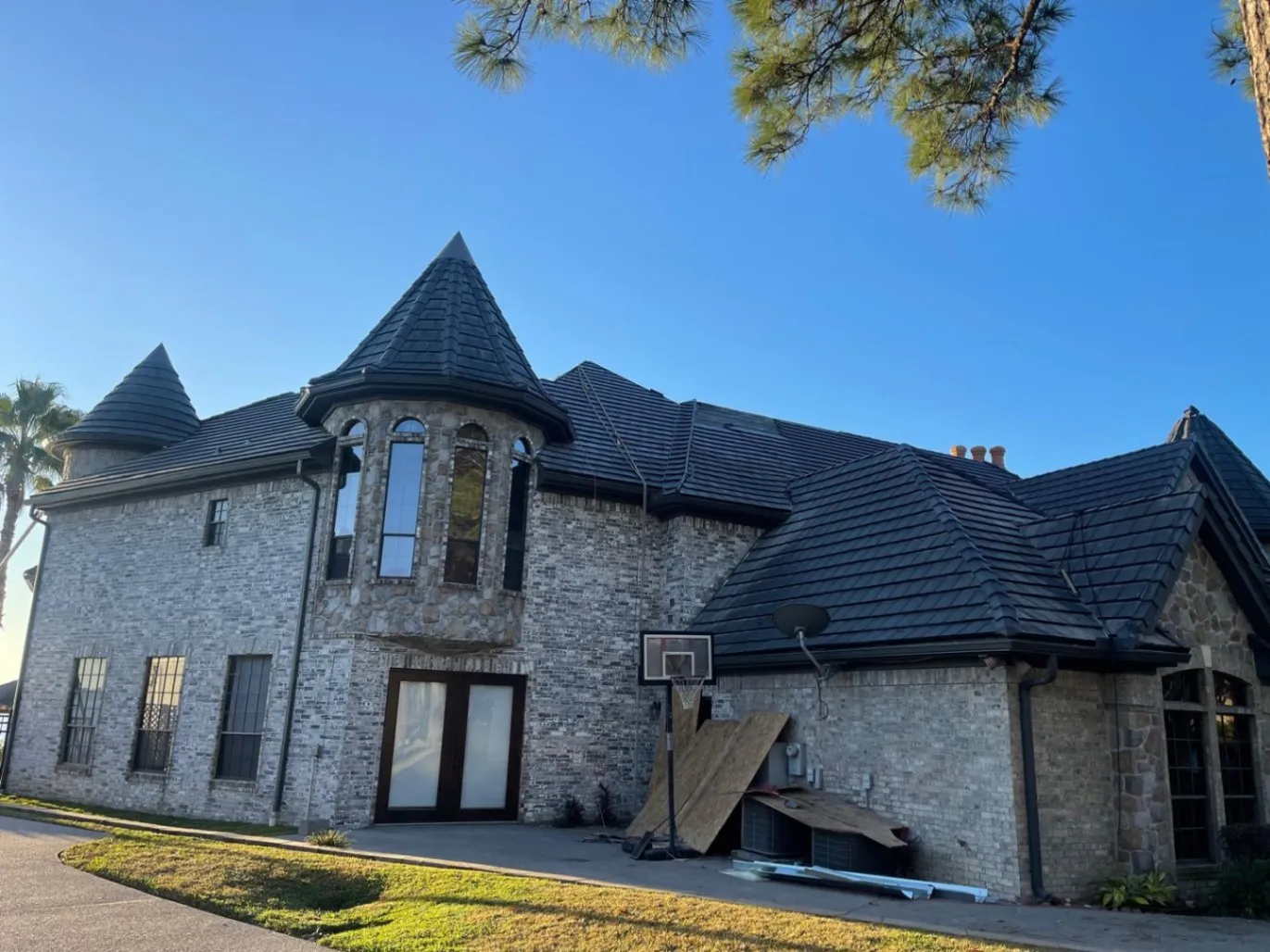
A completed high-wind-rated roofing system on a Panhandle home.
The most reliable evidence is repeat visits: roofing systems that fail to wind uplift tend to show the same damage pattern on the same homes after each major storm, while metal and stone-coated steel systems on comparable homes typically don't show that repeat pattern.
Compare options for your home
See specialty roofing options or residential roofing for a direct comparison based on your roof's specific exposure.
See it in action
Class 4 impact-resistant shingles, a strong option for high-wind and hail exposure. See more clips →
Common questions
Is asphalt shingle roofing a bad choice in the Panhandle?
Not necessarily — higher-wind-rated architectural shingles perform better than basic 3-tab shingles, and proper installation matters as much as the material choice itself.
What wind speed should a Panhandle roof be rated for?
This depends on your specific location and home exposure — a professional inspection can tell you what your current roof is rated for and whether that's adequate.
Does wind rating affect insurance?
Some insurers offer discounts for higher wind-rated roofing systems in wind-prone areas — worth asking your carrier directly.